The routes to impact for biomedical and health research are diverse and depend not just on the details of the research conducted but also the wider context in which it takes place. The case studies below provide some examples of impact pathways across a diverse range of projects funded through Horizon 2020 and FP7.

society
This case study focusses on smaller scale, earlier stage research than others in our selection. In this way, this case study provides an example of the impact that can be achieved in a relatively short timeframe with a small budget. It also highlights the importance of multidisciplinary skills in achieving societal impact.
health
MULTI-ACT an example of a project that aimed to strengthen health research systems through stakeholder engagement and a commitment to interdisciplinary work. MULTI-ACT has the potential to have a significant impact on improving health equity and patient outcomes. To realise this potential, the project must overcome a lack of political will, further apply the project’s digital toolbox and expand the scope of the project’s dissemination.

health
The CY-Biobank and human genome project is an example of a project intended to develop research infrastructure. The project set out to establish the first biobank in Cyprus, which would be used for both research and clinical purposes. CY-Biobank offers a different perspective in its emphasis on developing low performing regions, drawing on Cyprus’ relatively recent progress in establishing research infrastructure supported by government funding.

health
Alliance4Life is an example of an EU funded project aiming to strength health systems research. While the project only recently concluded, making it difficult to chart tangible impacts, Alliance4Life demonstrates how a project can effectively draw on institutional support to advance its aims and reach policy makers at both the EU and national levels.

society
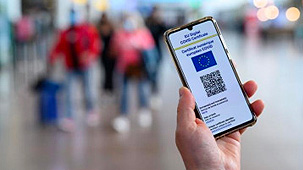
This case study provides an example of how multidisciplinary research in a new field, digital epidemiology, can generate unexpected societal impact. Many of the project outputs from the study were initially built with the intention of monitoring Influenza, and they have successfully been repurposed as part of the response to the COVID-19 pandemic. In particular, this case study demonstrates how close engagement with policymakers and end-users during the project can help to facilitate future impact. It also demonstrates that for a project to have a sustained impact, dedicated funds are required.

society
ECRIN-IA involves the development of infrastructure to support scientific research rather than the implementation of a particular research project. This case study provides insight into how funding can help build research infrastructure that improves capacity and creates new tools for research.
economic
The Enabling NAnomedicine TRANSlation (ENATRANS) project is of relevance as a translation-focussed networking opportunity. It aimed to provide insight into the broader research and innovation ecosystem; specifically, how external inputs can help facilitate nanomedicine research to make an impact. It demonstrates the importance of multidisciplinary collaboration to attend to different aspects of the innovation pathway, and the need for relationships to be built and strengthened over time, to provide opportunities for meaningful collaboration.

society
This project was included as an applied policy research project that explicitly aimed to go beyond the provision of information and addresses how to ensure that research evidence affects policy and practice; both within the EU and Africa. This case study provides insight on how targeted, collaborative policy research involving African and European partners can achieve impact.
health
The ‘Genetics Clinic of the Future (GCOF)’ is an example of a project focused on strengthening health research systems. GCOF provides an insight into the challenges of translating a promising model of patient engagement into enduring societal impact.

economic
Health-TIES is an example of an EU funded project that brings together business, academia and government in regional organisations to improve innovation in health care. Its aim was to maximise the impact of innovation and RTD on healthcare, and to stimulate joint science, education and state-of-the-art infrastructure. Health-TIES also aimed to accelerate the Healthcare Technology Innovation Cycle, connecting engineers and medical professionals, scientists and entrepreneurs, developers and end-users. Finally, it also engaged policy makers in developing the RTD agenda.
